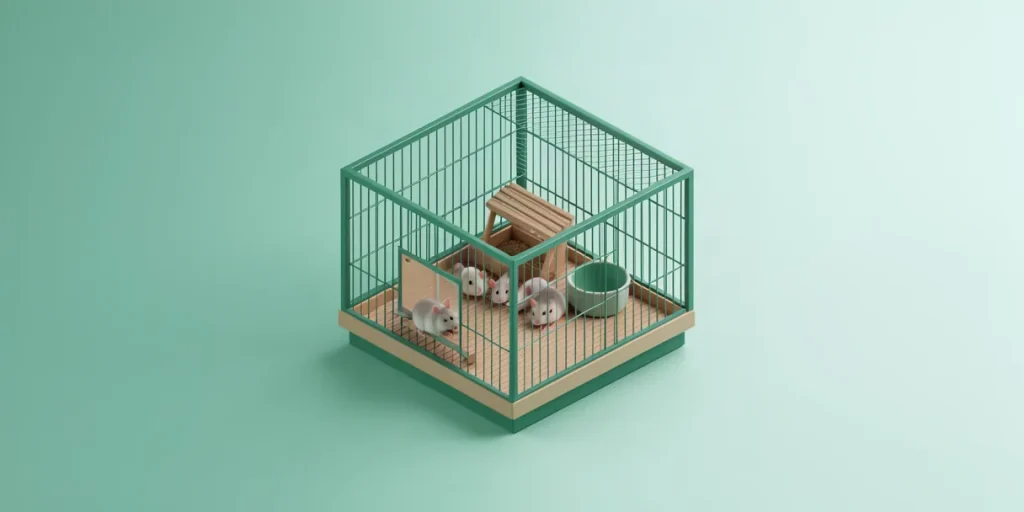
When choosing a pet rodent, many wonder: which animal will be not only cute but also easy to care for? In 2026, the ranking of the most undemanding rodents for the home helps find pets that are perfect for both beginners and busy owners. These animals require minimal attention, don’t need complicated care, and still bring joy and coziness to the home.
The top most undemanding rodents for the home in 2026 includes both classic choices and less common pets with simple habitat and dietary needs. Learning about their characteristics will help you pick the ideal little friend who will be a comfortable companion without unnecessary worries and hassle.
| Species | Average Weight | Life Span | Initial Cage Cost (₽) |
|---|---|---|---|
| Roborovski Hamster | 25–30 g | 2–3 years | 1200–1800 |
| Guinea Pig | 700–1200 g | 4–6 years | 2000–2500 |
| Fancy Mouse | 20–40 g | 1.5–2 years | 1000–1500 |
- 4–6 years Average life span of a guinea pig
- 1200–2500 ₽ Cage cost for a hamster in 2026
- 2–3 years Life span of a Roborovski hamster
- 500–800 ₽ Monthly bedding expenses
Which rodent species are considered the easiest for beginners?
Brief species characteristics
In 2026, the easiest rodents for beginners are considered to be Roborovski hamsters, guinea pigs, and fancy mice. These species require minimal care, take up little space, and adapt easily to home environments. For example, Roborovski hamsters weigh only 25–30 g and measure 4–5 cm long, making them easy to keep even in small cages. Their life span of about 2–3 years is convenient for beginners wanting to try caring for a pet.
Guinea pigs are larger rodents weighing between 700 and 1200 g with a life span of 4–6 years. They are calm and friendly, making them an excellent choice for families with children. Fancy mice, weighing 20–40 g and living 1.5–2 years, are known for their undemanding nature and ease of care. When choosing a pet, beginners should consider these criteria:
- Animal size: from 4–5 cm for Roborovski hamsters up to 12–20 cm for guinea pigs;
- Life span: 1.5–2 years for fancy mice, up to 6 years for guinea pigs;
- Cage size: minimum 20×30 cm for hamsters and at least 60×40 cm for guinea pigs;
- Average cost of cage and food: from 1500 ₽ for hamsters and about 2500–3500 ₽ for guinea pigs.
What minimal care is required for these rodents?
Hygiene
Minimal care for rodents involves regular maintenance of cleanliness in their habitat. Daily replacement of drinking water is mandatory, as fresh water affects the pet’s health. Cage cleaning should be done once every 3–4 days, including removing waste and changing bedding. Optimal bedding options are wood shavings or paper fillers, which should be replaced at least twice a week. For example, Kaytee Clean & Cozy bedding costs about 350 rubles per package per month. This frequency helps avoid unpleasant odors and reduces infection risks.
Feeding
The diet of undemanding rodents should include specialized pellets containing 15–20% protein. Feeding should occur 1–2 times a day, considering daily portions; for hamsters, this is about 10–15 grams of food. Popular brands include Versele-Laga Hamster Food, with a 500 g pack costing around 700 rubles. In addition to pellets, fresh vegetables and fruits can be added occasionally but should not exceed 10% of the total diet to prevent digestive issues. It is important to avoid foods high in sugar and artificial additives.
- Water — replaced daily
- Cage cleaning — once every 3–4 days
- Bedding — replaced at least twice a week
- Protein in feed — 15–20%
- Portion size — 10–15 g per day
- Cost of Versele-Laga food — about 700 ₽ per 500 g
How much does it cost to keep an undemanding rodent in 2026?
Initial expenses
Keeping an undemanding rodent in 2026 requires initial investments of approximately 1200–2500 ₽. The main expense is purchasing a cage, for example models from Ferplast or Trixie suitable for hamsters and fancy mice. It’s also important to consider buying a water bottle, feeder, and small toys to enrich the environment. Choosing quality accessories ensures comfort and safety for the pet from day one.
Ongoing expenses
Regular costs include food and bedding. Annual food expenses for brands like Versele-Laga or Vitakraft amount to about 3000 ₽. Bedding, necessary for hygiene and comfort, costs on average 500–800 ₽ per month. Additionally, it’s recommended to occasionally buy vitamin supplements and replace worn toys, which may increase costs but usually won’t exceed a few hundred rubles per year.
- Ferplast/Trixie cage: 1200–2500 ₽
- Annual food Versele-Laga/Vitakraft: about 3000 ₽
- Bedding per month: 500–800 ₽
What mistakes do beginner owners make when caring for undemanding rodents?
Feeding mistakes
Beginner owners often make feeding errors by overfeeding or giving inappropriate foods. For example, excessive amounts of high-moisture vegetables like cucumbers and zucchini can cause digestive upset in hamsters and guinea pigs. A guinea pig’s diet should contain up to 30% fresh vegetables but no more than 10 grams per day to avoid digestive problems. It’s also important to note that premium foods, such as those from Vitakraft, cost around 500–700 rubles per 500 g package, and their quality directly affects the animal’s health.
Care mistakes
One common mistake is using bedding with fragrances that may cause allergies in both rodents and their owners. The optimal choice is compressed wood shavings without chemical additives, such as products from Comfort Bedding, costing between 300 and 450 rubles for 5 kg. Another frequent error is infrequent cage cleaning, which leads to bacteria buildup and unpleasant odors. It’s recommended to thoroughly clean and change bedding at least once every 3–4 days to maintain comfort and health for the pet.
When can undemanding rodent care become problematic?
Space requirements
Rodent care can become problematic if the animal’s cage is too small — less than 30×30 cm — which doesn’t allow natural activity. For instance, Roborovski hamsters, despite their tiny size (4–5 cm long, 25–30 g), need enough space for movement and play. When cage space is limited, the animal quickly loses activity, leading to stress and health deterioration. Modern cage models from companies like Savic or Ferplast with minimum dimensions of 40×40 cm cost on average 1500 to 2500 rubles and provide comfortable space for most decorative rodents.
Health considerations
Rodents such as guinea pigs require constant access to fresh water, as dehydration can cause serious health issues. Lack of clean water even for a day is critical and may lead to severe complications. Additionally, in winter, guinea pigs need extra vitamin C because its deficiency causes scurvy and weakens immunity. Special vitamin supplements are available for prevention, for example, «Vita-C» from Beaphar, costing about 400 rubles for a 30-day package. Ignoring such seasonal needs significantly lowers the pet’s quality of life.
Frequently Asked Questions
Is it possible to keep a Roborovski hamster in a small apartment?
How often should bedding be changed for guinea pigs?
What foods are best for fancy mice?
Can guinea pigs have fresh vegetables every day?
Key Takeaways
- Roborovski hamsters are the smallest and most undemanding rodents.
- Guinea pigs require vitamin C, especially during colder months.
- Choosing the right bedding and regular cleaning are essential for pet health.
- Average initial costs for a rodent are about 3000 ₽.
- Feeding pellets with 15–20% protein ensures an optimal diet.
Sources
- sircat.ru — «Animals easy to care for»
- blog.zootovary.ua — «Most undemanding pets: list»
- zoobazar.by — «What do you know about pet rodents?»
- pskovlib.ru — «Best pet. Top list»
- masterzoo.ua — «MasterZoo online pet supplies store»