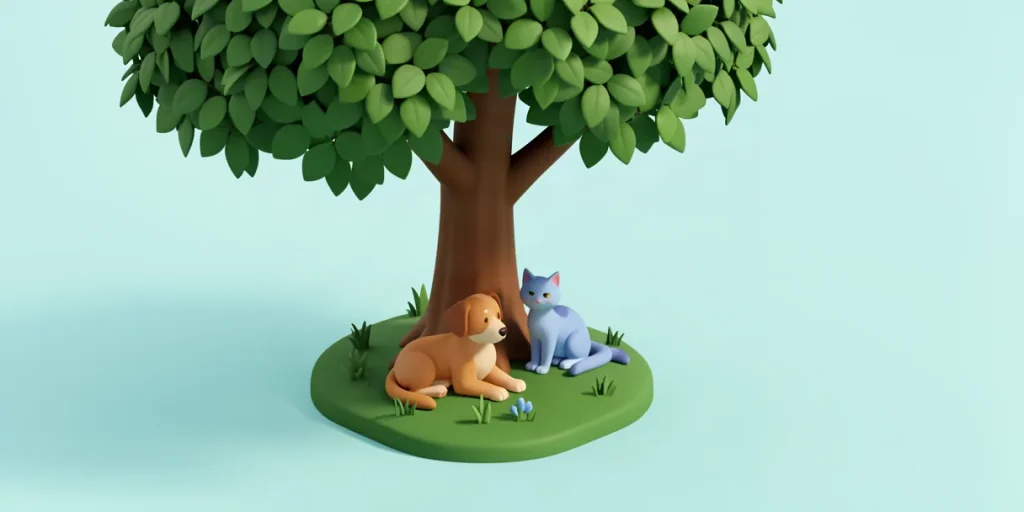
Summer heat means not just vacations and sunny walks, but also a serious challenge to our pets’ health. It’s important to understand what precautions to take to keep our four-legged friends comfortable and safe on hot days.
As the climate changes globally, summer months are becoming increasingly extreme. Every year, pet owners face new challenges related to their animals overheating and becoming dehydrated. This article looks at the key ways summer heat affects the health of dogs and cats in 2026 and offers practical tips for caring for them in high temperatures.
How Heat Affects Pets
In the summer heat of 2026, pets face significant health risks. One of the main problems is the body’s reduced ability to cool itself. At high temperatures, animals—especially dogs—have to work harder to maintain a normal body temperature. This can lead to overheating, as their thermoregulatory systems cannot always cope with extreme conditions. As a result, pets may become uncomfortable and show signs of stress, such as rapid breathing and reduced activity.
Prolonged exposure to heat increases the likelihood of heat exhaustion and heatstroke. Heat exhaustion can cause weakness, loss of coordination, and increased thirst. Without intervention, it can progress to heatstroke, which is extremely dangerous and can be fatal. Veterinarians report a sharp rise in heat-related illnesses among pets during extreme heat, underscoring how important it is for owners to respond promptly to changes in their pets’ condition.
In addition, statistics show an increase in animal deaths in high temperatures. In 2026, veterinary studies have documented a significant number of cases in which animals did not survive the heat, making this issue especially relevant to pet owners. To minimize the risks, monitor your pet’s condition, provide access to cool water and shade, and limit physical activity during the hottest hours of the day.
To protect their pets from the harmful effects of heat, owners are advised to:
- Provide a shady place to rest.
- Offer water regularly to prevent dehydration.
- Avoid long walks during the hottest part of the day.
- Watch your pet’s behavior and contact a veterinarian if signs of overheating appear.
Following these simple recommendations can help protect pets’ health and save their lives in the summer heat.
Signs of Overheating in Dogs and Cats
Hot summer days in 2026 significantly increase the risk of pets overheating, especially dogs and cats. One of the first signs is rapid breathing and heartbeat. Animals start breathing more quickly and deeply, with their tongues hanging out as they try to cool down. These physical changes may signal that your pet is experiencing heat stress and needs immediate help.
Owners may also notice anxious behavior. Dogs and cats start seeking shade or cooler places—an instinctive way to protect themselves from the heat. If your pet keeps moving around in search of shelter or seems restless, this is a clear sign that it is suffering from the heat. Pay close attention to these signals: ignoring them can lead to more serious consequences.
Loss of appetite and lethargy are also common signs of overheating. Animals may refuse food and become less active, which can indicate that their condition is worsening. They may spend more time lying down, another sign that they need help. If lethargy lasts for more than a few hours, contact a veterinarian.
To protect your pets from overheating, keep these recommendations in mind:
- Make sure your pets have access to fresh water and shade.
- Never leave animals in enclosed spaces or cars.
- Avoid long walks during the hottest hours.
- Monitor your pet’s condition and watch for any changes in behavior.
Following these simple recommendations can significantly reduce the risk of overheating and help keep your pets healthy in the summer heat.
How to Prevent Pets from Overheating
During the summer heat of 2026, caring for pets is especially important. Overheating can lead to serious health problems, including dehydration and heatstroke. To prevent these dangerous conditions, make sure your pet is comfortable.
First of all, make sure fresh water is available at all times. Keeping the body hydrated plays a key role in maintaining a normal body temperature. Make sure your pet always has clean water, and check regularly that its bowl is full. You should also provide shady spots where your pet can shelter from the blazing sun. These can include outdoor shelters as well as designated areas indoors.
Cooling mats and water bowls can also significantly reduce the risk of overheating. Mats help maintain an optimal body temperature, while special bowls can keep water cool—especially important on hot days. Some manufacturers offer mats that activate when they come into contact with an animal’s body, providing extra comfort.
You should also limit your pet’s physical activity during the hottest hours. It’s best to walk early in the morning or late in the evening, when the air is cooler. This not only reduces the strain on your pet’s cardiovascular system but also helps prevent overheating. Even outdoor play should take the temperature into account, with less strenuous activities chosen for hot weather.
In short, caring for pets in the summer heat requires special attention. Following simple rules—such as providing water regularly, creating shady spots, and planning activity sensibly—will help protect your pets from overheating and related complications. Remember, your pet’s health is in your hands!
First Aid for Heatstroke
The summer heat of 2026 significantly increases the risk of heat-related illnesses in pets, especially dogs. Prolonged exposure to high temperatures can lead to dehydration, heat exhaustion, and heatstroke. Knowing how to give first aid in these situations is important for minimizing the risk of serious consequences for your pet’s health.
If you suspect heatstroke, first move the animal to a cool, well-ventilated place. This could be a shady spot, an air-conditioned room, or simply a cool corner of your home. Lowering the temperature around your pet will help its body begin to recover.
The next step is to cool the body. You can use cool water or damp towels. Wrap your pet in a damp towel, paying particular attention to the neck, armpits, and groin, where large blood vessels are located. This will help lower its body temperature. Do not use ice-cold water, however, as a sudden drop in temperature can cause shock.
After taking these first steps, it is essential to contact a veterinarian immediately. Even if your pet seems to be feeling better, only a professional can fully assess its health and prescribe the necessary treatment. Heatstroke can have serious consequences, including organ damage, so do not ignore the need for professional help.
To help prevent heatstroke in the future, keep an eye on your pet’s behavior on hot days. Here are a few preventive measures:
- Make sure fresh water is available and provide access to shade.
- Avoid long walks during the hottest hours of the day.
- Check regularly to see how your pet is coping with the heat.
- Use specially designed cooling mats and vests for animals.
Caring for your pet’s health in hot weather is not only your responsibility—it can also help protect its life and well-being.
How Heat Affects Pets’ Health
The summer heat of 2026 has a significant impact on pets’ health, especially that of dogs and cats. High temperatures can cause serious changes in an animal’s body and worsen its condition, particularly if it has a chronic illness. Overheating puts extra strain on the heart and kidneys, which can aggravate conditions such as cardiovascular disease or diabetes. As a result, even pets whose condition is usually stable can develop serious complications that require immediate veterinary attention.
A weakened immune system is another serious problem caused by heat. High temperatures and heat-related stress weaken the body’s defenses, making pets more vulnerable to infections. Veterinary studies from 2026 show that cases of infectious diseases in animals increase during periods of extreme heat. This means owners need to pay special attention to their pets’ condition and support their health with regular checkups and vaccinations.
Heat can also worsen allergic reactions and other health problems. On hot days, pets with allergies may experience worsening skin conditions, itching, and inflammation. Keep in mind that even if your pet shows no obvious symptoms, underlying problems can become more severe because of the heat. Pet owners should watch for changes in their animals’ behavior, such as increased thirst, fatigue, or loss of appetite.
To help keep pets healthy on hot days, we recommend:
- Providing access to fresh water and shade.
- Avoiding long walks during the hottest part of the day.
- Checking your pet regularly for signs of overheating.
- Consulting a veterinarian about diet and possible supplements to support the immune system.
Following these simple recommendations can help protect pets from the harmful effects of summer heat and keep them healthy through this challenging season.
Veterinary Studies and Statistics
During the summer heat of 2026, deaths among pets—especially dogs—have risen noticeably. Higher temperatures and prolonged exposure to the heat pose serious risks to pets’ health. Veterinary studies show that extreme heat significantly increases animals’ risk of heatstroke and other heat-related illnesses, which in turn leads to higher mortality. In this context, it’s important to understand how hot weather affects the behavior and health of our four-legged friends.
Data on the frequency of heatstroke in 2026 indicate that these incidents are becoming increasingly common. Studies have found that animals exposed to heat for prolonged periods are more likely to suffer from dehydration, heat exhaustion, and heatstroke. Because of their physiology, dogs are less able to cope with overheating, increasing the risk of serious complications. Veterinarians note that on very hot days, pet owners should be especially alert to signs of overheating, such as rapid breathing, excessive thirst, and lethargy.
An analysis of the health consequences of overheating in pets shows that these conditions can lead to long-term problems. Animals that have suffered heatstroke may experience impaired cardiovascular and kidney function, which can affect their overall immunity and increase their risk of illness. Experts recommend that pet owners monitor temperature conditions, make sure their animals have enough water and access to shade, and avoid physical activity during the hottest hours.
To protect their pets from the effects of summer heat, owners should follow a few simple but effective recommendations:
- Make sure fresh water is available at all times.
- Avoid walks during the hottest hours.
- Create shade wherever your animals spend time outdoors.
- Monitor your pet’s behavior and watch for signs of overheating.
In short, keeping pets healthy in the summer heat requires owners to be extra vigilant and aware of the possible risks.
Tips for Caring for Pets in Summer
The summer heat of 2026 significantly increases the risk of overheating-related illnesses in pets, especially dogs. In high temperatures, regular veterinary checkups are particularly important. Veterinarians recommend preventive checkups at least once every three months during the hot season. This can help identify potential health problems in time and prevent serious complications such as heat exhaustion or heatstroke. Experts also advise watching your pet’s behavior: if a dog starts panting excessively, seems lethargic, or, conversely, becomes unusually agitated, it could be a sign of overheating.
Proper nutrition and activity levels also play a key role in caring for pets in summer. Make sure your animals have enough fresh water to prevent dehydration. It is advisable to reduce physical exertion during the hottest hours of the day and move active pursuits to the morning or evening. Pay attention to your pet’s diet: in hot weather, opt for light, nutritious food that is easy on the stomach and easier to digest. You can include fresh fruit and vegetables in the menu, but make sure they are safe for your pet.
Keeping your home comfortable is also important. Make sure your pet has access to cool, shaded places where it can shelter from the heat. Use fans or air conditioning, if possible, to keep the indoor temperature comfortable. Remember to air out rooms regularly to let in fresh air. You could also consider using special cooling mats or beds to help your pet cope with the heat.
Following these recommendations can significantly reduce the negative effects of summer heat on your pets’ health and make their lives more comfortable.
The Future of Climate Change and Its Impact on Pets
As the global climate changes, we can expect extreme temperatures during the summer months to continue rising, with inevitable effects on pets’ health. In 2026, cases of overheating-related illness have risen significantly, especially among dogs. Studies show that prolonged exposure to hot conditions can lead to dehydration, heat exhaustion, and even heatstroke, increasing the risk of death among pets. This underscores the need to take greater care of animals, especially on very hot days.
Adapting pet care to the new climate conditions is becoming essential. Owners should rethink their habits to give their pets the best possible protection. For example, take them for walks more often in the morning or evening, when temperatures are lower, and make sure they have plenty of fresh water. Creating a comfortable home environment, with fans or air conditioning, can also significantly reduce the risk of overheating.
The long-term effects of climate change on pets’ health could be serious. Rising temperatures can weaken animals’ immune systems, making them more vulnerable to various illnesses. In addition, worsening air quality and an increase in allergens can lead to respiratory diseases. It is worth noting that veterinary studies have already recorded rising pet mortality during hot spells, underscoring the need to take steps to protect animals.
To minimize the risks, pet owners should:
- Make sure pets have enough water and check on their condition regularly.
- Create shaded, cool spaces indoors and outdoors.
- Avoid physical exertion during hot hours.
- Contact a veterinarian promptly at the first signs of overheating.
Climate change calls for a thoughtful approach to caring for pets, so they can get through hot summer months comfortably and safely.
Frequently Asked Questions
How can I tell if my pet is overheating?
What should I do if I notice signs of heatstroke?
Can I walk my pet in hot weather?
How often should I offer my pet water in hot weather?
Are there special products to protect pets from the heat?
Key Takeaways
- Summer heat increases the risk of illness in pets.
- Signs of overheating can be dangerous and require attention.
- Preventing overheating is a key part of caring for pets in hot weather.
- First aid for heatstroke can save your pet’s life.
- Pet care needs to adapt to a changing climate.
Sources
zooinform.ru, petmarket.ua, vetunion.ru, WHO, NYC Hazard Mitigation Plan