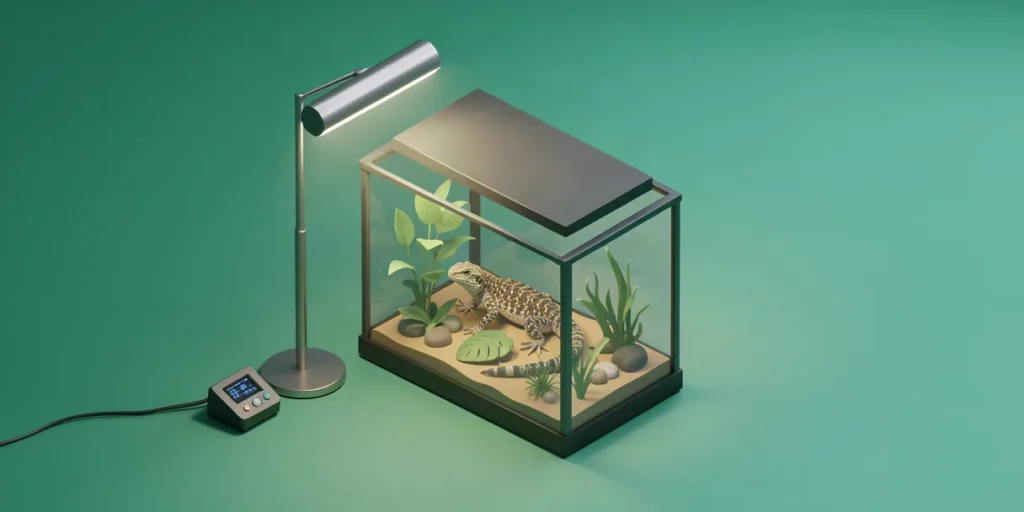
Exotic reptiles, being cold-blooded animals, cannot independently maintain a constant body temperature. Their health directly depends on properly establishing thermoregulation conditions within the terrarium. Disruptions in temperature control lead to stress, lowered immunity, and the development of illnesses. This article explores the main thermoregulation mechanisms in reptiles and offers specific recommendations for organizing the microclimate to prevent diseases.
Thermoregulation Mechanisms in Exotic Reptiles
Reptiles use behavioral and physiological adaptations to control their body temperature. The primary method is moving between warm and cool zones within their environment. Additionally, some species can alter blood circulation to regulate heat loss.
Behavioral Adaptations
- Basking in the sun or under a lamp – allows raising body temperature to the optimal level.
- Hiding in shaded areas or under rocks – reduces overheating and helps cool down.
- Changing activity based on the time of day – diurnal reptiles are active when temperatures are higher, whereas nocturnal species are active at cooler times.
Physiological Mechanisms
Reptiles lack developed sweat glands, so cooling occurs through changes in blood flow and breathing. Some species can alter their skin pigmentation to absorb or reflect heat.
- 30-35 °C – optimal body temperature range for most tropical lizards
- 4500 ₽ – average price of an infrared lamp for terrariums in 2026
- 7-10 hours – recommended daily heating time for active species
Impact of Temperature on Reptile Health
An improper temperature regime is one of the main causes of illness in exotic reptiles. Stress caused by overheating or overcooling can lead to maladaptation syndrome — a condition where the body loses its ability to respond adequately to environmental changes.
Consequences of Disrupted Thermoregulation
- Reduced immunity and increased susceptibility to infections
- Development of respiratory diseases at excessively low temperatures
- Slowed metabolism and digestion, leading to emaciation
- Behavioral disorders and decreased activity
According to data from the «Zoovet» veterinary clinic (Moscow), up to 60% of exotic reptile consultations are linked to improper terrarium microclimates.
Optimal Microclimate Parameters in the Terrarium
Maintaining health requires carefully supporting temperature gradients and humidity according to the species’ biological needs. For example, for Eublepharis geckos, the optimal daytime temperature is 28-32 °C, and nighttime temperature is 22-24 °C.
Key Microclimate Parameters
- Daytime temperature: 28-35 °C depending on species
- Nighttime temperature: 20-25 °C
- Air humidity: 40-70%, regulated by misting or humidifiers
- Lighting: 10-12 hours of UVA/UVB ultraviolet exposure to support metabolism
| Species | Daytime Temperature, °C | Nighttime Temperature, °C | Humidity, % |
|---|---|---|---|
| Leopard Gecko | 28-32 | 22-24 | 40-50 |
| Common Grass Snake | 25-30 | 18-22 | 60-70 |
| Agamid Lizard | 30-35 | 22-25 | 50-60 |
Equipment and Technologies for Creating the Microclimate
Various devices and materials are used for effective thermoregulation in the terrarium. In 2026, the market offers both budget and professional solutions.
Main Devices
- Infrared lamps (e.g., Exo Terra Infrared Heat Lamp, priced around 4200 ₽)
- Ceramic heat emitters without light (Zoo Med Ceramic Heat Emitter, about 3500 ₽)
- Temperature controllers with sensors (Repti Temp Control, from 5000 ₽)
- Humidifiers with hygrostats (Xiaomi Smart Humidifier, about 6000 ₽)
The right combination of these devices creates temperature gradients in the terrarium and maintains optimal humidity, significantly reducing the risk of disease.
Behavioral Signs of Thermoregulation Issues
Experienced reptile owners may notice behavioral changes indicating an improper microclimate. Early detection of such signs helps prevent serious health problems.
Typical Symptoms
- Excessive hiding or constant presence in one temperature zone
- Loss of appetite and lethargy
- Frequent open-mouth breathing due to overheating
- Shedding problems and skin issues
The «Zoovet» veterinary clinic recommends weekly monitoring of temperature and humidity in the terrarium using digital thermometers and hygrometers.
Frequently Asked Questions
Why are my reptile’s limbs always cold?
How often should heating lamps be replaced?
Can regular household thermometers be used in a terrarium?
What are the consequences of overcooling in reptiles?
Key Takeaways
- Reptile thermoregulation relies on behavioral and physiological mechanisms.
- The optimal temperature for most tropical species is 28-35 °C during the day and 20-25 °C at night.
- Temperature disruptions cause stress and disease development.
- Infrared lamps, ceramic heaters, and temperature controllers help create the microclimate.
- Regular monitoring of temperature and humidity helps prevent health issues.
Proper care for exotic reptiles includes understanding their unique thermoregulation needs. Creating a balanced microclimate in the terrarium not only maintains the pet’s health but also lowers the risk of stress and illness. In 2026, proven heating and environmental control technologies remain relevant, and attentive observation of reptile behavior helps detect and address problems promptly.
Sources
- Veterinary Clinic — «The Impact of Stress on Reptile Health»
- spravochnick.ru — «Medical Dictionary Reference 🔤 Terms Starting with V»
- zoovet.ru — «Exotic Pet Boarding in Moscow by Zoovet Veterinary Clinic»
- news_enc.academic.ru — «Magnetic Storms and Their Impact on Health | What Are Magnetic Storms and Their Health Effects?»
- kopilkaurokov.ru — «Bad Habits and Their Impact on Human Health — Physical Education, Presentations»