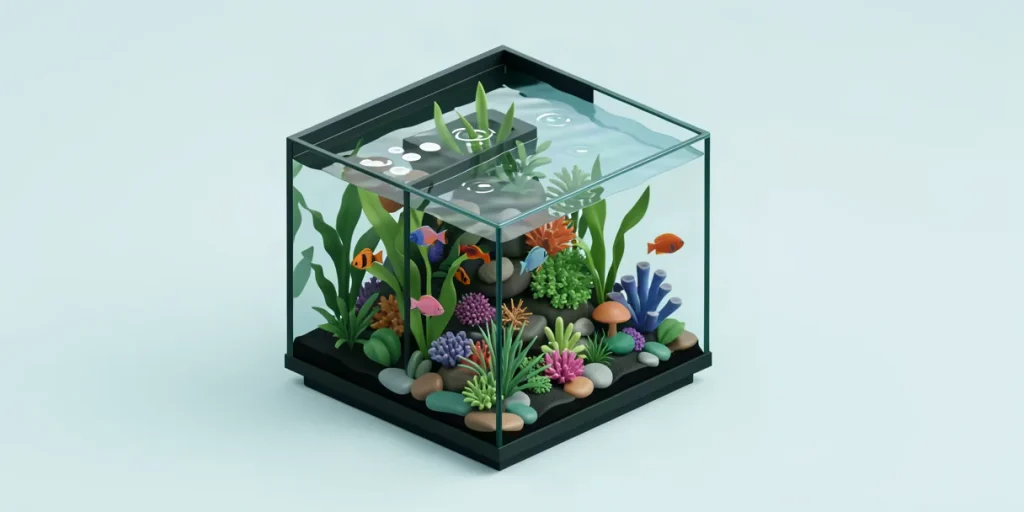
Creating the perfect aquarium is not only an engaging hobby but also an art that requires an understanding of the many factors affecting the health and well-being of its inhabitants. Choosing the right aquarium, equipment, decor, and plants can transform your aquatic world into a thriving ecosystem where every detail has a role to play. But where should you start? How do you put together all the necessary components so your aquarium is not only beautiful to look at but also easy to care for?
In this article, we’ll share the essential elements you need to create the perfect aquarium, along with helpful tips to help you avoid common mistakes. Find out how to choose the right aquarium, what equipment you’ll need, and which plants and inhabitants will make a great addition to your underwater world. Let’s take the first step toward creating the aquarium of your dreams!
| Model | Volume (L) | Price (₽) | Dimensions (cm) |
|---|---|---|---|
| Juwel Rio 125 | 125 | 22,000 | 81x36x50 |
| Aquael Classic 100 | 100 | 18,000 | 80x40x50 |
| Aquael Nano 30 | 30 | 6,000 | 30x30x30 |
Choosing an Aquarium
When choosing an aquarium, it’s important to consider its volume and dimensions, as these affect the stability of the ecosystem inside. An aquarium should ideally hold at least 100 liters, providing comfortable conditions for its inhabitants and making it easier to maintain water parameters. The recommended dimensions are 80 cm long, 40 cm wide, and 50 cm high. These proportions promote good aeration and water circulation, which are essential for the health of fish and plants.
Popular Brands
Several brands stand out on the aquarium market for offering high-quality models. This aquarium is ideal for creating a varied ecosystem. Another popular choice is the Aquael Classic 100, with a capacity of 100 liters and a price of approximately 18,000 rubles. Both brands have established themselves as reliable manufacturers offering aquariums with good performance characteristics.
- Volume: at least 100 liters
- Ideal dimensions: 80 cm (L) x 40 cm (W) x 50 cm (H)
Filtration and Aeration
Filtration is an essential element in creating the perfect aquarium. Choose a filter with a flow rate that turns over the aquarium’s volume 5–10 times per hour. Such a filter efficiently removes suspended particles and organic contaminants, keeping your aquarium ecosystem clean and healthy.
Water Aeration
Aeration plays a key role in ensuring that aquarium inhabitants have enough oxygen. It’s recommended to maintain oxygen levels within the range of 6-8 mg/L. Proper aeration improves gas exchange and supports the health of fish and other aquatic organisms.
- Oxygen level: 6-8 mg/L.
Aquarium Lighting
Types of Lighting
There are several types of aquarium lighting, each with its own features and benefits. The most common are LED lights and fluorescent lamps. LED lights, such as the Aquael Luna 60, provide the required brightness while using energy efficiently, consuming just 0.5-1 W per liter of water. This not only helps keep aquatic plants healthy but can also significantly reduce electricity costs.
Lighting Recommendations
The ideal lighting period for aquariums is 10-12 hours a day. This is needed to support photosynthesis and the overall health of the aquarium ecosystem. It’s also important to monitor light intensity to prevent excessive algae growth. This model is suitable for creating a comfortable environment for both plants and fish.
- Light intensity: 0.5-1 W per liter of water
- Lighting period: 10-12 hours a day
Feeding Fish
Proper feeding is essential to the health and well-being of fish. The basic rule is that the amount of food should equal 2-3% of the total weight of all the fish in the aquarium. For example, if you have 10 fish weighing 50 g each, you’ll need 1-1.5 g of food per day. This helps prevent overfeeding and water pollution.
Types of Fish Food
Both foods contain all the nutrients fish need, but it’s worth remembering that variety in their diet is important too.
Feeding Schedule
It’s recommended to feed fish 1-2 times a day. To add variety, you can include live food, such as daphnia, once a week. This not only improves digestion but also encourages active behavior in fish.
- Adding live food: once a week.
Maintaining Water Quality
Maintaining water quality is essential for creating a healthy ecosystem for your pets. The water temperature should be kept within the range of 22-28°C. This helps prevent sudden temperature fluctuations, which can negatively affect the health of fish and plants.
Water Parameters
The acid-alkaline balance (pH) also plays a key role in the lives of aquarium inhabitants. For most freshwater fish, the ideal pH level is between 6.5 and 7.5. You can buy test kits to measure pH, with prices starting at ₽300. Testing the water regularly will help you avoid problems caused by an incorrect pH level.
Monitoring Tools
- Aquael thermometer – ₽800
- pH test kits – from ₽300
- Water changes – 10-20% once a week
It’s also important to change the water regularly, replacing 10-20% of the aquarium’s volume each week. This helps keep the aquatic environment clean and healthy by removing accumulated toxins and substances that could harm your fish.
Frequently Asked Questions
How often should I change the water in my aquarium?
Which aquarium is best for a beginner?
Which plants are best for an aquarium?
Key Takeaways
- Choose an aquarium of at least 100 liters for a stable ecosystem.
- Filter flow should be 5-10 times the aquarium’s volume per hour.
- Keep the water temperature within the range of 22-28°C.